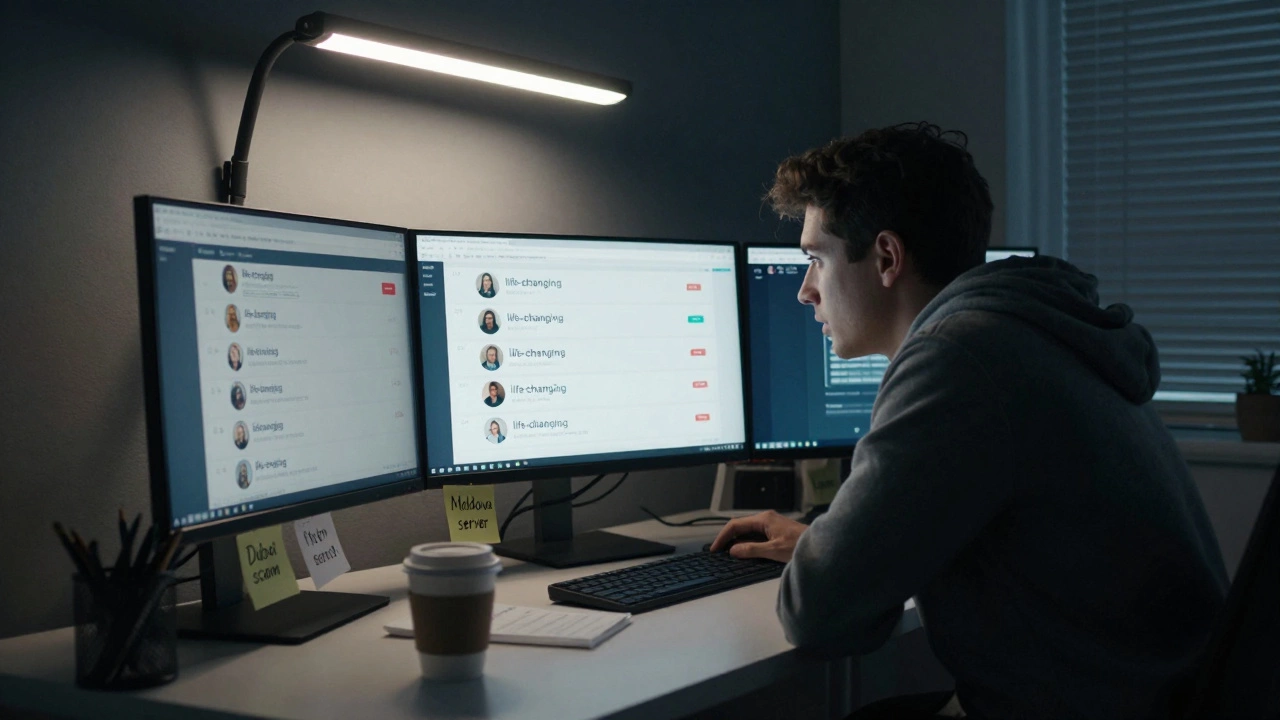
NaughtyReviews isn’t a company you’ll find on LinkedIn. It’s not a brand with a glossy website or a PR team. It’s a small group of people who’ve spent years digging into the messy, hidden corners of the internet-tracking down fake reviews, exposing scams, and calling out influencers who sell out for a free vacation. Their work isn’t glamorous, but it’s necessary. If you’ve ever bought something online and felt ripped off, chances are NaughtyReviews broke the story first.
One of their earliest takedowns involved a Dubai-based service that promised cheap escort in dubai with guaranteed discretion. What they found wasn’t just misleading advertising-it was a network of fake profiles, stolen photos, and unlicensed operators targeting tourists. The piece went viral. Thousands of readers shared their own horror stories. That’s when NaughtyReviews realized their real power wasn’t in曝光, but in prevention.
How It All Started
The founder, who goes by only ‘Nate’ in public, used to work in digital marketing. He built campaigns for luxury brands, including one for banana republic uae website, where he noticed something strange. The site looked professional, but the customer reviews were all identical. Same phrases. Same grammar. Same time stamps. He ran a reverse image search and found the same photos used on five other unrelated sites. That’s when he started asking questions.He wasn’t looking to become a watchdog. He just wanted to understand how the system worked. What he uncovered was a global industry built on deception. Fake reviews aren’t just annoying-they’re profitable. A single fake five-star review can boost sales by up to 17%, according to a 2024 Harvard Business Review study. And the people behind them? They’re not lone hackers. They’re teams. Some work out of co-working spaces in Manila. Others operate from basements in Bucharest. All of them know exactly how to game the algorithms.
The Tools They Use
NaughtyReviews doesn’t rely on luck. They’ve built their own set of tools, mostly open-source and tweaked by hand. One of them tracks keyword patterns across review platforms. If ten reviews for the same product all use the phrase “life-changing” and “better than Amazon,” it’s flagged. Another tool scans for duplicate IP addresses across different accounts. If three reviews from the same location appear within five minutes of each other, it’s suspicious.They also monitor social media trends. When a new product launches, they watch for sudden spikes in positive mentions from accounts with no history, no followers, and no posts before the product drop. Those are almost always paid shills.
One of their most effective methods? Reverse-engineering influencer contracts. They’ve obtained leaked agreements from former employees of marketing agencies. Those documents show exactly how much influencers get paid to say things like “I’ve been using this for six months” when they got it yesterday.
The Biggest Scams They’ve Exposed
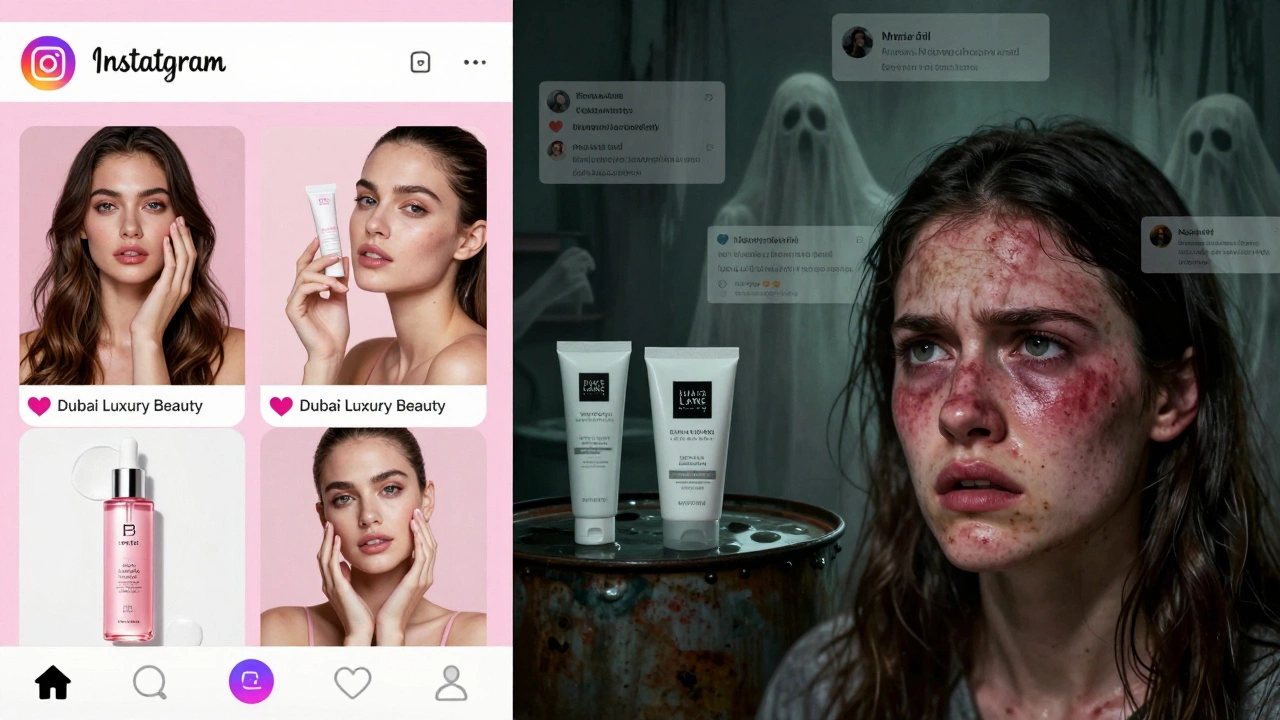
In 2023, they uncovered a network selling counterfeit skincare products labeled as “Dubai Luxury Beauty.” The packaging looked identical to high-end brands. The price? $12. The ingredients? Industrial-grade mineral oil and parabens. Hundreds of people reported rashes, burns, and permanent scarring. NaughtyReviews published the batch numbers and supplier details. Within days, the UAE’s consumer protection agency shut down the operation.Another case involved a travel agency advertising “all-inclusive Dubai getaways” for under $300. The fine print? You had to sign up for a 2-hour timeshare pitch. The photos? Stock images from a resort in Bali. The reviews? All generated by bots. They tracked the domain registration back to a single person in Kyiv. The agency still operates under a different name.
And then there’s the escort dubai case. Not because it was the biggest, but because it was the most personal. A young woman from Canada posted a photo of herself with a man she met through a site promising “discreet companionship.” She thought she was hiring a tour guide. Instead, she was drugged and robbed. NaughtyReviews traced the site to a server in Moldova. They didn’t just expose it-they worked with Interpol to shut it down.
Why People Still Fall for It
You’d think after all this, people would learn. But they don’t. Why? Because deception is designed to feel real.Scammers use real-looking websites with SSL certificates. They hire native speakers to write reviews that sound human. They even create fake customer service lines that answer calls during business hours. One group even built a fake review verification badge that looked identical to Google’s “Trusted Reviewer” tag.
And then there’s the emotional hook. People want to believe. They want that perfect vacation. That miracle cream. That affordable luxury. Scammers don’t sell products. They sell hope. And hope is harder to debunk than a bad review.
What You Can Do
NaughtyReviews doesn’t just expose-they educate. Here’s what they tell everyone:- Check the review timeline. If 80% of reviews came in the last week, be suspicious.
- Look for detail. Real reviews mention flaws. Fake ones are all glowing with no specifics.
- Search the reviewer’s name + “review” in Google. If they’ve reviewed 50 different products in 30 days, they’re a bot.
- Use browser extensions like Fakespot or ReviewMeta. They analyze review patterns automatically.
- Never buy based on Instagram ads. Those are almost always paid promotions.
They also recommend checking the domain age. If a website was created last month but claims to have been in business for ten years, walk away.

The Future of Reviews
AI is making fake reviews harder to catch. Generative text can now mimic personal writing styles. AI-generated photos look real. Deepfake voices can answer customer service calls. But NaughtyReviews is adapting. They’re training their tools to detect subtle inconsistencies-like unnatural pauses in voice responses or micro-patterns in image lighting that AI can’t fully replicate.Some platforms are starting to listen. Amazon now flags reviews with identical phrasing. Google has started removing fake review clusters. But progress is slow. And the scammers? They’re faster.
NaughtyReviews doesn’t expect to win. They just want to make it harder. Every scam they expose raises the cost for the next one. And that’s enough.
What’s Next for NaughtyReviews
They’re launching a public database next month-free to use-where anyone can search for flagged websites, review patterns, and known scam operators. No login. No ads. Just facts.They’re also working with schools in the UK and Canada to teach digital literacy. Not just how to spot fake reviews, but why it matters. Because the internet isn’t just a place to shop. It’s a place where trust is built-or broken-every day.
And yes, they still get death threats. But they’ve learned to laugh them off. “If they’re mad enough to threaten us,” Nate says, “they’re probably the ones running the scams.”